Your certification
Every rep is certified on Product Knowledge, and recertifies every 6 months to keep running appointments.
Your path to your first appointment
Most of our reps come from other industries. That's fine. This course assumes you know nothing about roofs and takes you to the point where a homeowner trusts you. You'll go through everything twice: first you read it all, then you review and test chapter by chapter.
Four steps
- Part 1 — Read all 7 sections. Each one stays open for a few minutes before you can mark it as read. Take your time; this is the material you'll sell with.
- Part 2 — Review and test. Each chapter starts with the key points, then a 10-question test (8 right to pass). Your questions stay the same until you submit, and you get one submission per attempt.
- Final exam. 30 questions from every chapter. 85% to pass.
- Mock appointment with your sales manager: walk them through the roof system, the Golden Pledge warranty and the payment plan, and handle 3 objections.
If you don't pass a test, you'll see which topics to review. Re-read the section and try again the next day. After two misses, your sales manager goes over it with you and unlocks another try.
Coming next on this site: Module 2 — the Maze sales process.
What a roof is made of
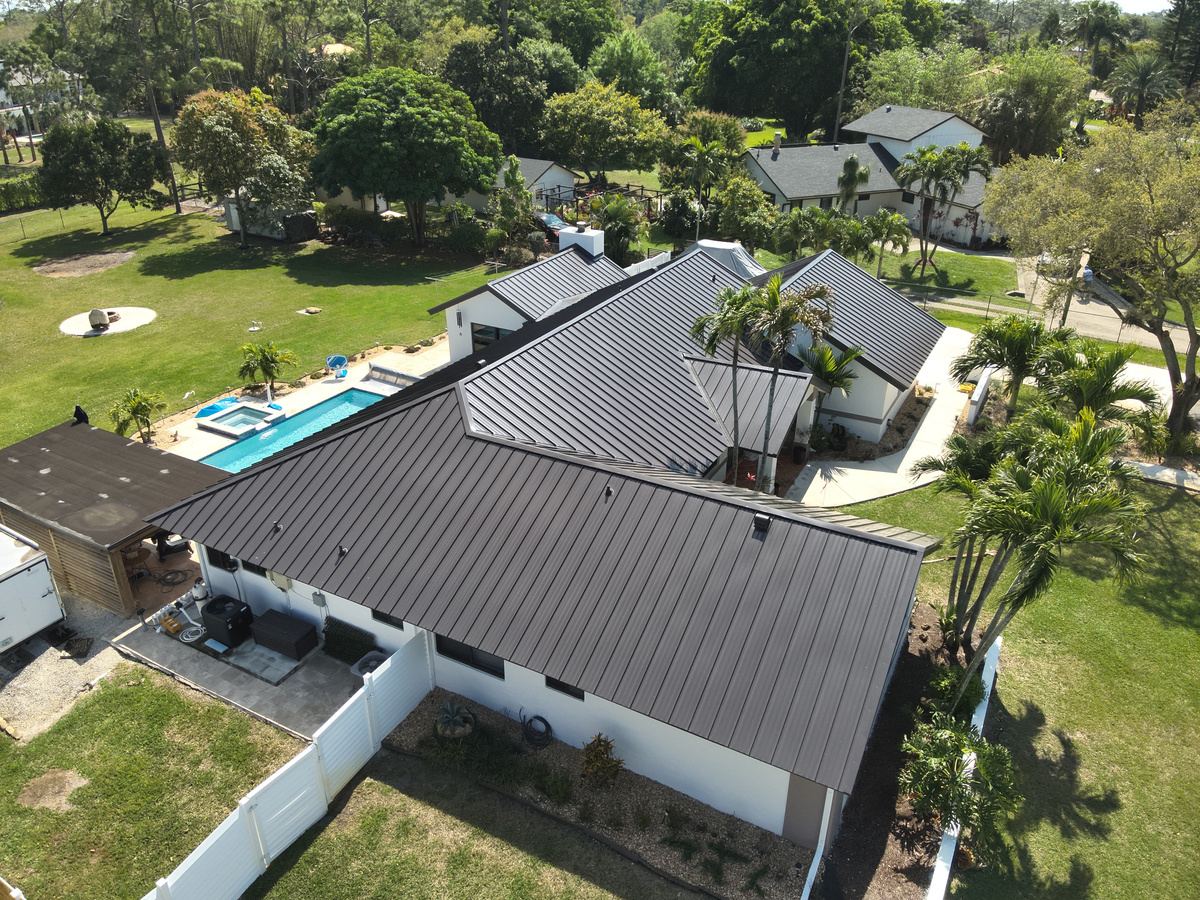
A roof is not just shingles. It's a stack of layers, each with one job. If you can explain the stack, you can explain any price.
The stack, bottom to top
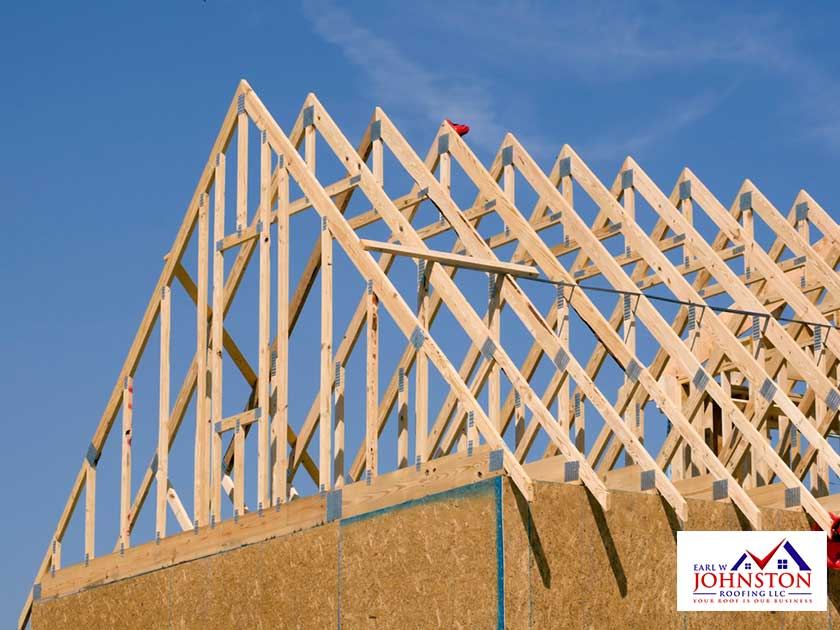
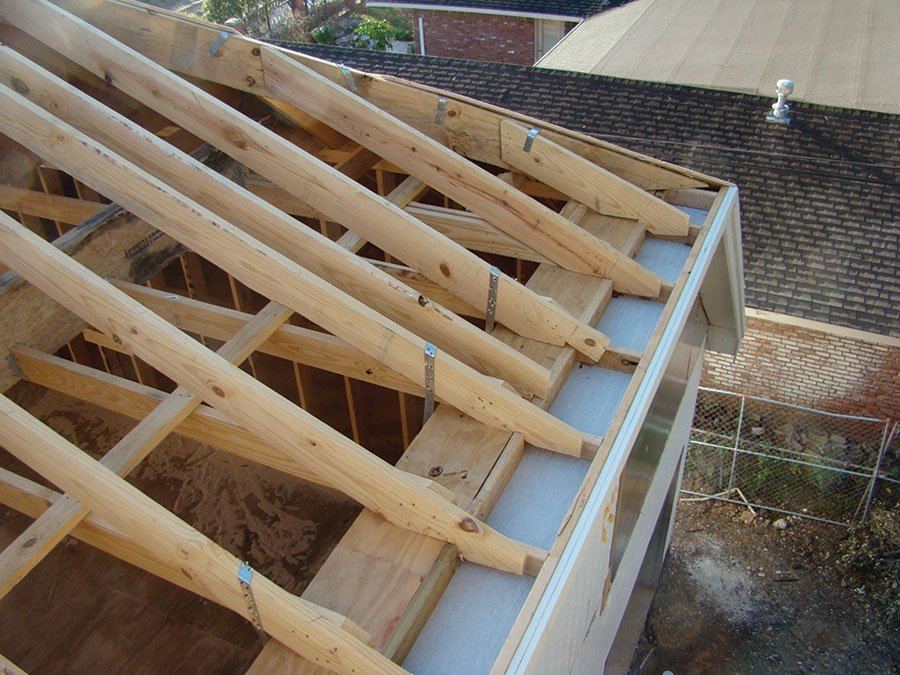
- Framing (trusses or rafters). The wooden skeleton that holds the roof up. Hurricane straps tie the trusses down to the walls so wind can't lift the roof off.
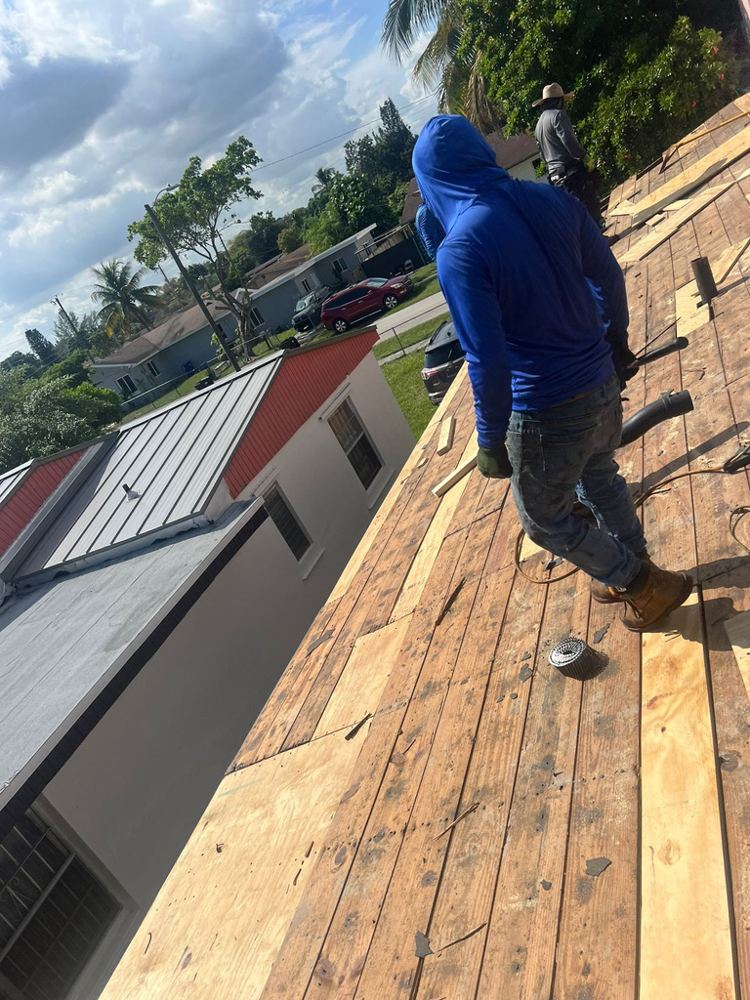
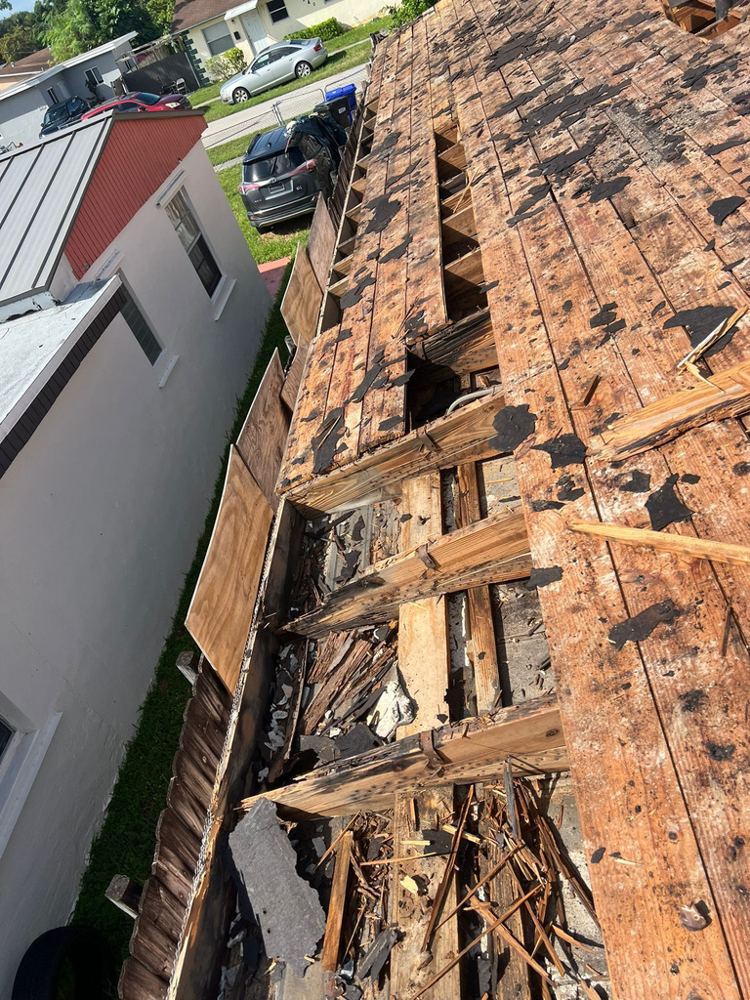
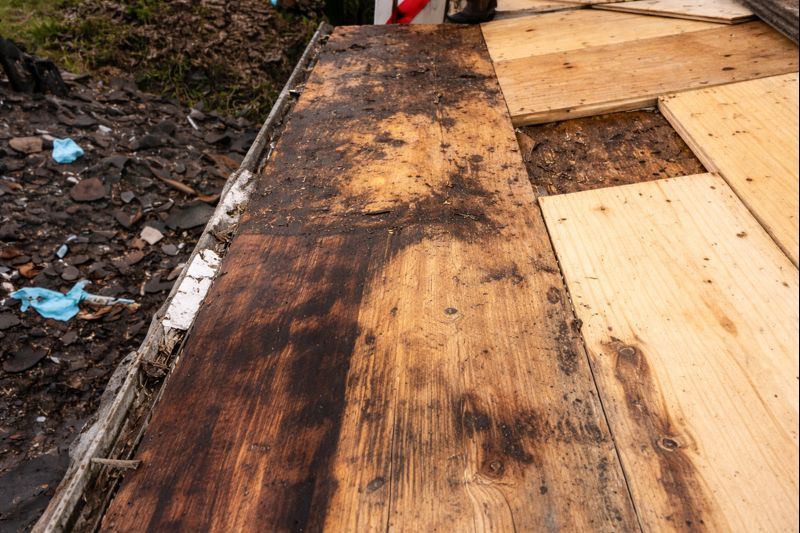
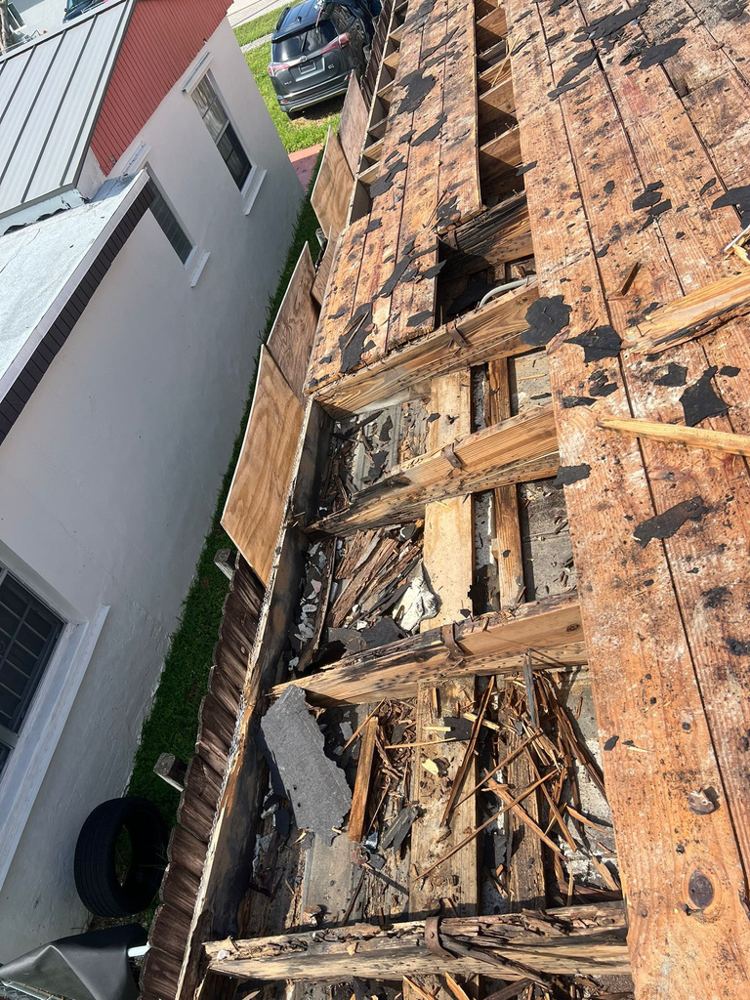
- Deck (plywood). The sheets of wood nailed on top of the framing. Everything else is fastened to it. Rotten or soft deck must be replaced — the law requires it.
- Underlayment. The waterproof layer stuck or nailed to the deck. It's the real water barrier; the top layer mostly protects it from sun and wind.
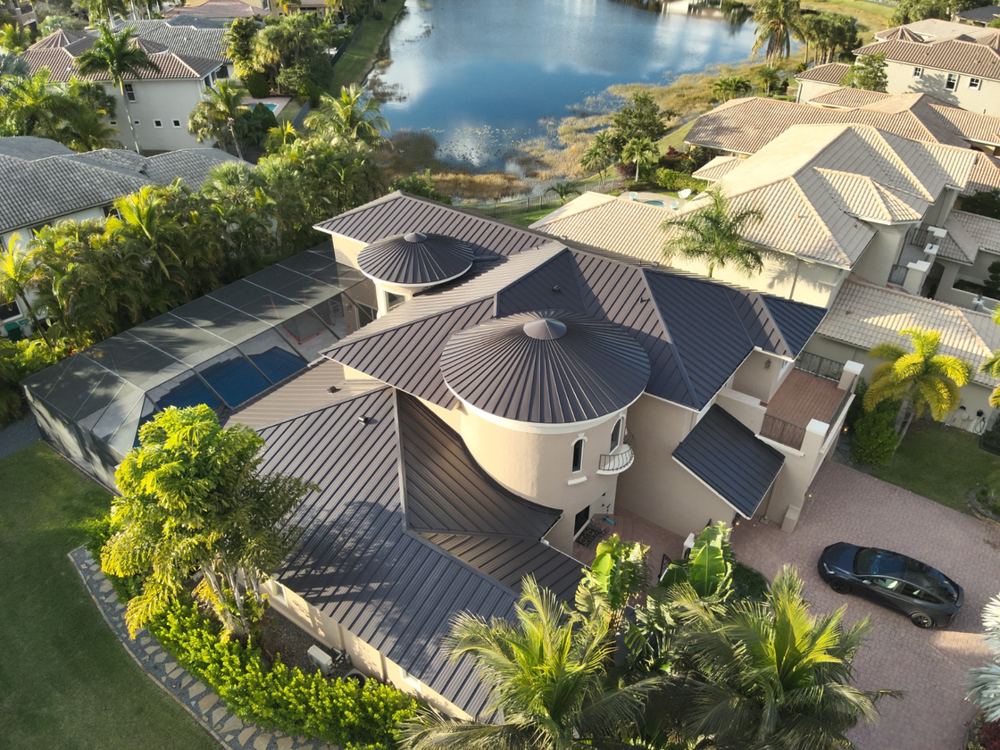
- Roof covering. What the homeowner sees: shingles, tile, metal panels, or a flat-roof membrane.
The edges and corners
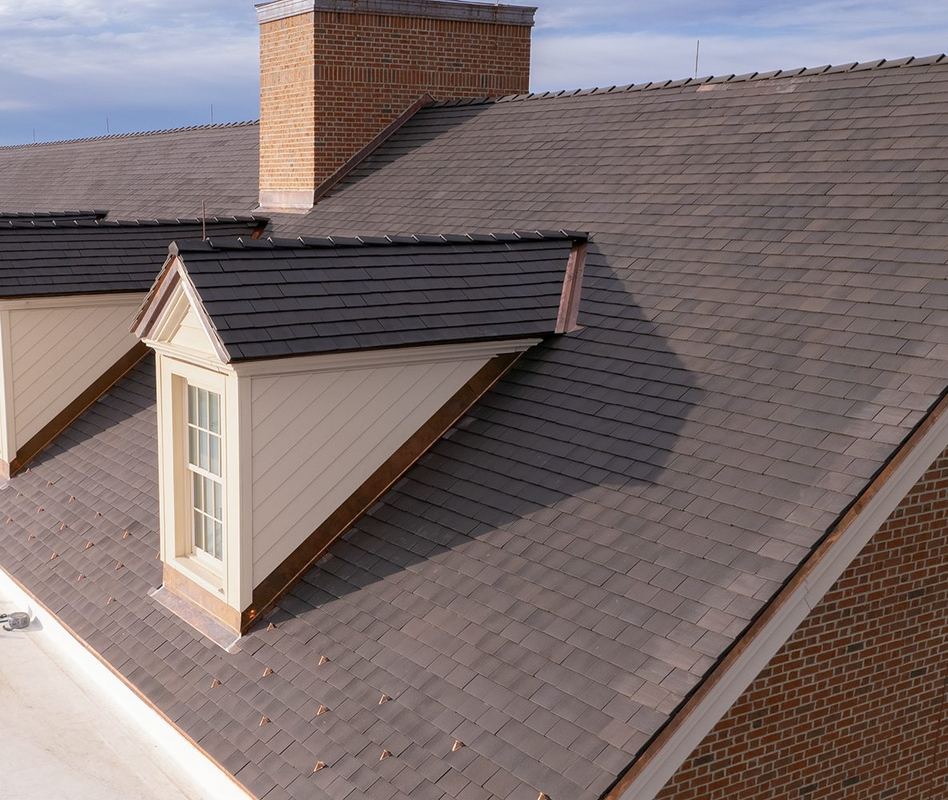
- Ridge — the top peak where two slopes meet. Exhaust vents and ridge cap go here.
- Field — the big flat area of each slope.
- Eave — the bottom edge of the roof, where the gutter hangs.
- Rake — the sloped side edge of the roof.
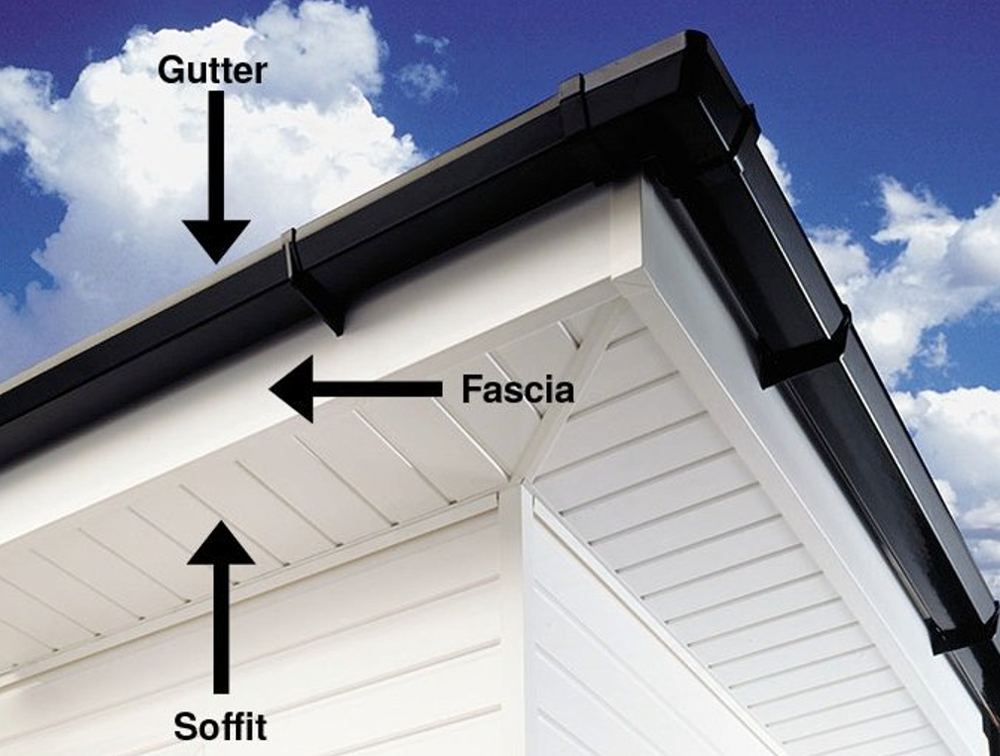
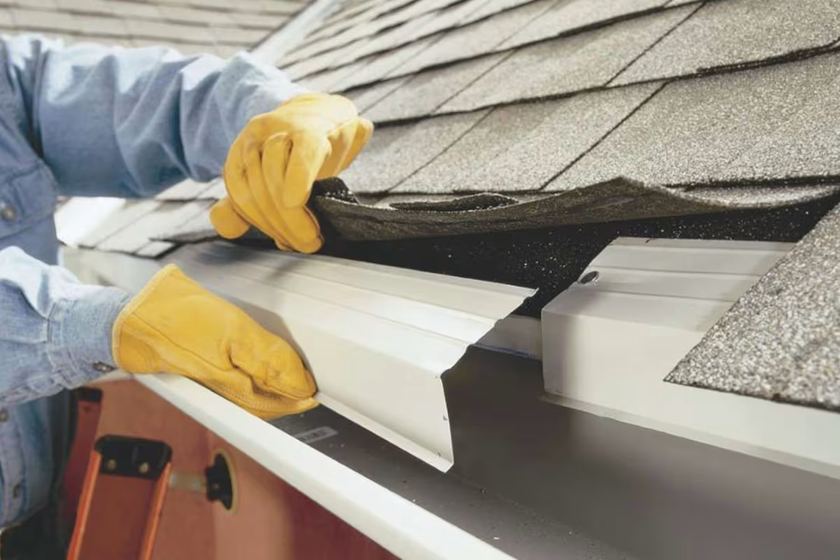
- Gutter — catches water at the eave and carries it to downspouts.
- Hip — a sloped outside corner where two slopes meet.
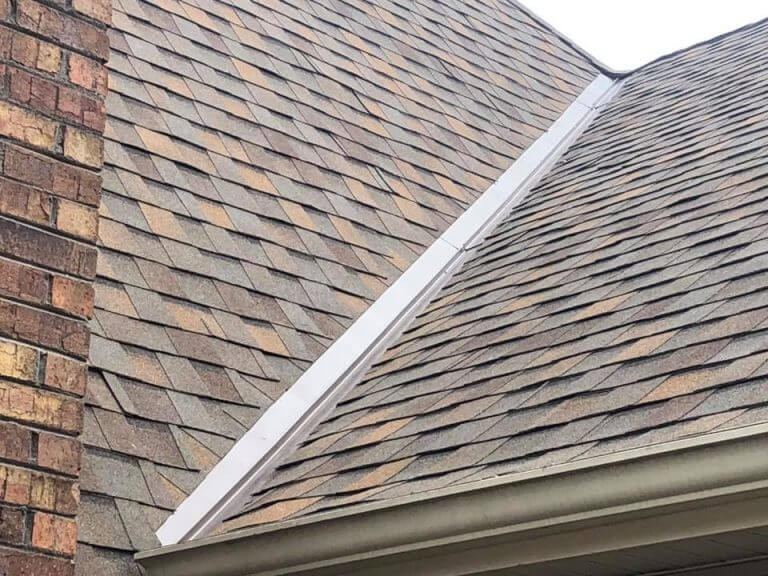
- Valley — an inside corner where two slopes meet. All the water runs through it, so it gets metal or extra membrane.
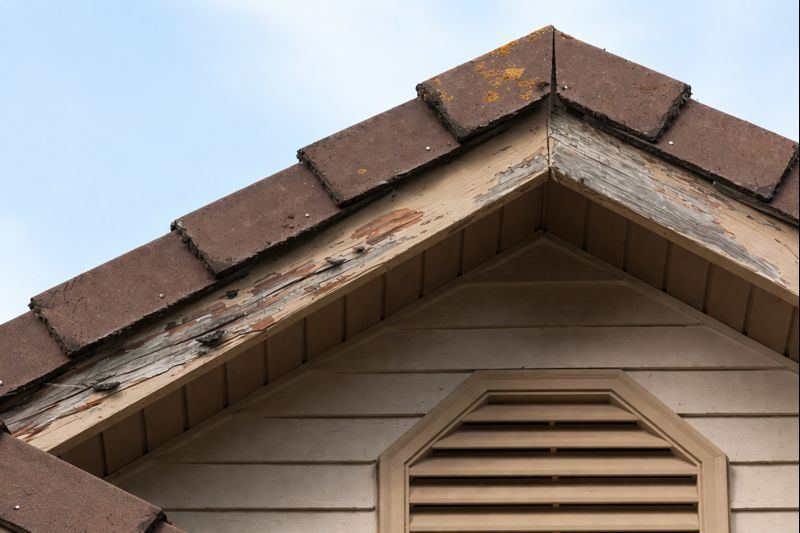
- Drip edge — metal strip along eaves and rakes so water drips off instead of rotting the wood.
- Fascia — the board along the eave behind the gutter.
- Soffit — the underside of the overhang. Vented soffit is where air enters the attic.
- Flashing — bent metal where the roof meets a wall or chimney.
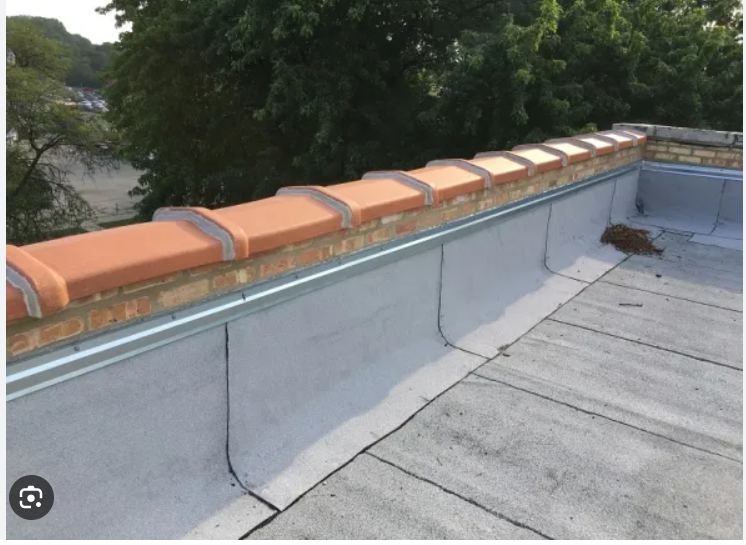
- Parapet walls — short walls sticking up around a flat roof.
Things that go through the roof
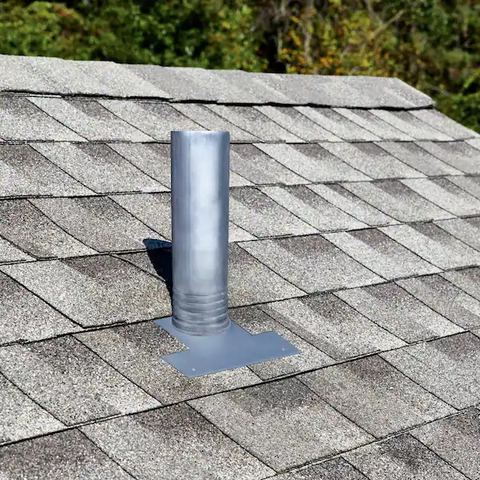 Lead boot
Seals around the plumbing vent pipe (the "sewer pressure equalizing system"). It lets sewer gas out and keeps water out.
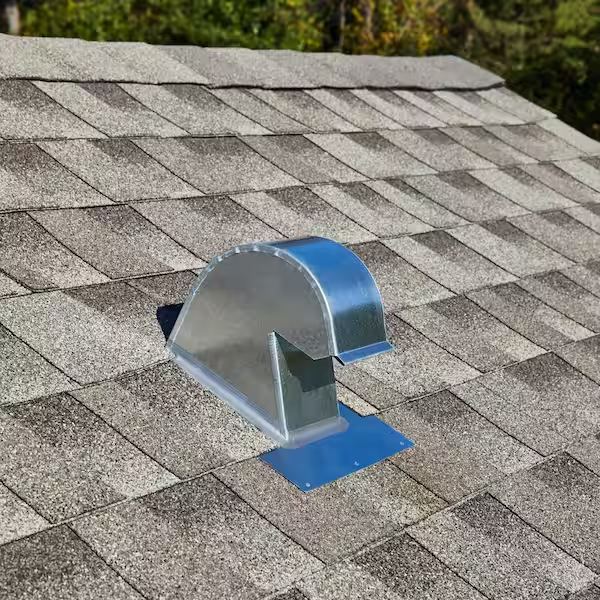 Gooseneck vent
Exhaust for a bathroom fan or dryer.
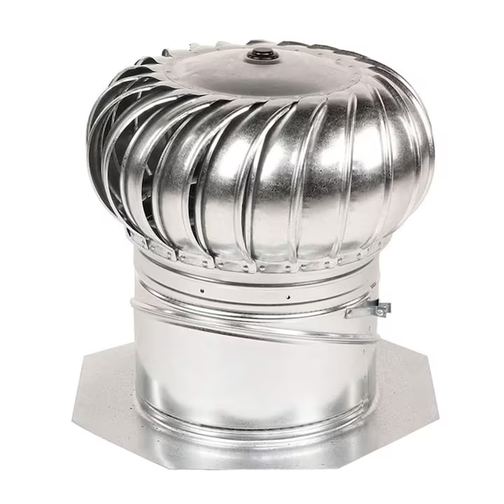 Turbine / solar fan
Older attic exhaust options. We replace or remove them as part of a balanced ventilation plan.
Lets hot, wet air out along the top of the roof. Needs intake air from the soffit to work.
Ventilation in one sentence
Air comes in low (soffit) and goes out high (ridge). Balanced ventilation keeps the attic cooler, stops moisture rotting the deck, and is required for the GAF Golden Pledge warranty.
Two words you'll use every day
100 square feet of roof. A typical house is 20–35 squares. We order materials and price jobs by the square, with waste added (about 15% for shingle, tile and metal, about 10% for flat).
How steep the roof is: inches of rise per 12 inches across. "6/12" rises 6" every foot. Low-slope ("flat") roofs need a different system from pitched roofs.
"Think of your roof as layers. The plywood is the foundation, the underlayment is the real waterproofing, and the shingles protect that waterproofing from sun and wind. When we replace your roof we go all the way down to the plywood, fix anything rotten, and rebuild every layer."
Roof types and exactly what Maze installs
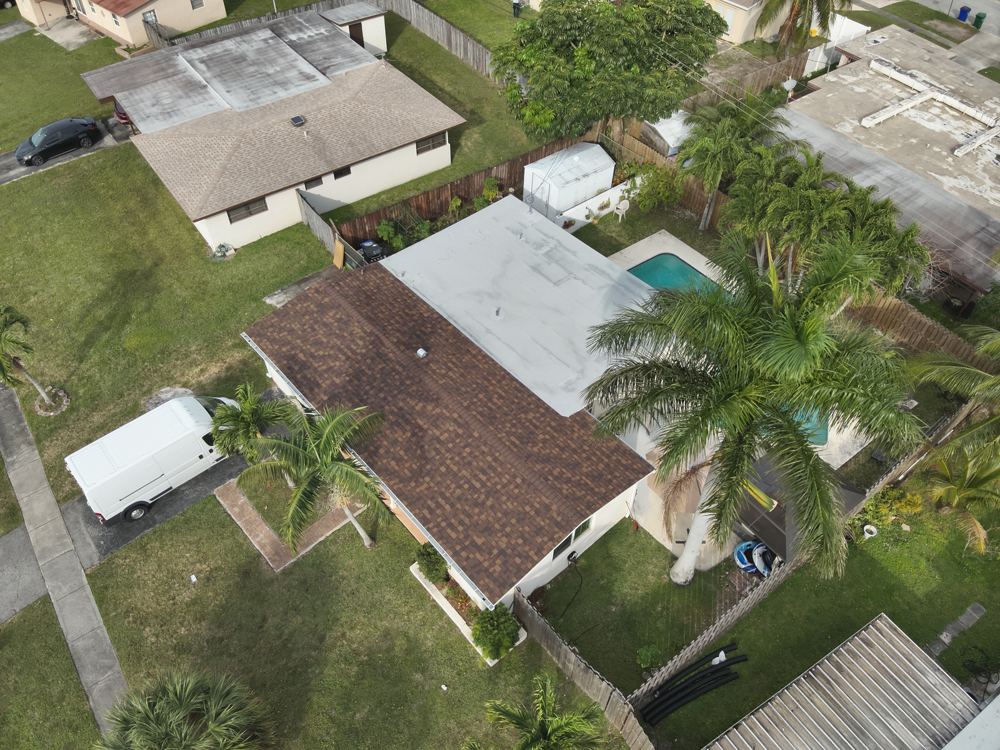
Two families: pitched roofs (shingle, tile, metal) and flat / low-slope roofs. Many houses have both — a pitched main roof and a flat section over a porch or addition.
South Florida systems HVHZ-grade
| System | Layers, bottom to top | Best for |
|---|---|---|
| Shingle | Tear off to the deck, re-nail the deck to code → GAF WeatherWatch peel-and-stick over 100% of the deck → GAF Pro-Start starter strip → GAF Timberline HDZ shingles → GAF ridge cap → GAF ridge vent | Best value. Full GAF system = Golden Pledge eligible |
| Tile | Tear off → Eagle Armor (by APOC) self-adhered tile underlayment → Eagle concrete tile set with approved polyurethane foam adhesive | The Florida look, longest life, heaviest |
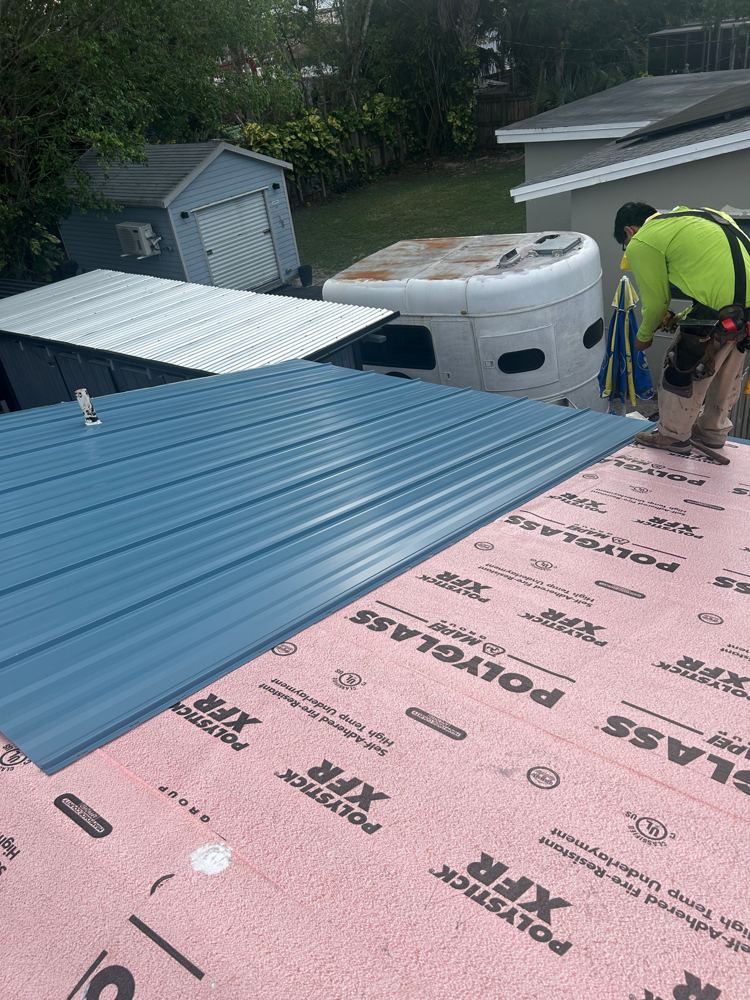
| Metal | Tear off → Polyglass Polystick XFR underlayment → 24-gauge Galvalume standing seam (Metal Alliance), in two styles: 1-inch nail-strip snap lock (standard) or 1.5-inch mechanical seam (premium — stronger in wind, costs more). Option: .032 aluminum standing seam | Modern look, very long life. Aluminum for homes near salt water |
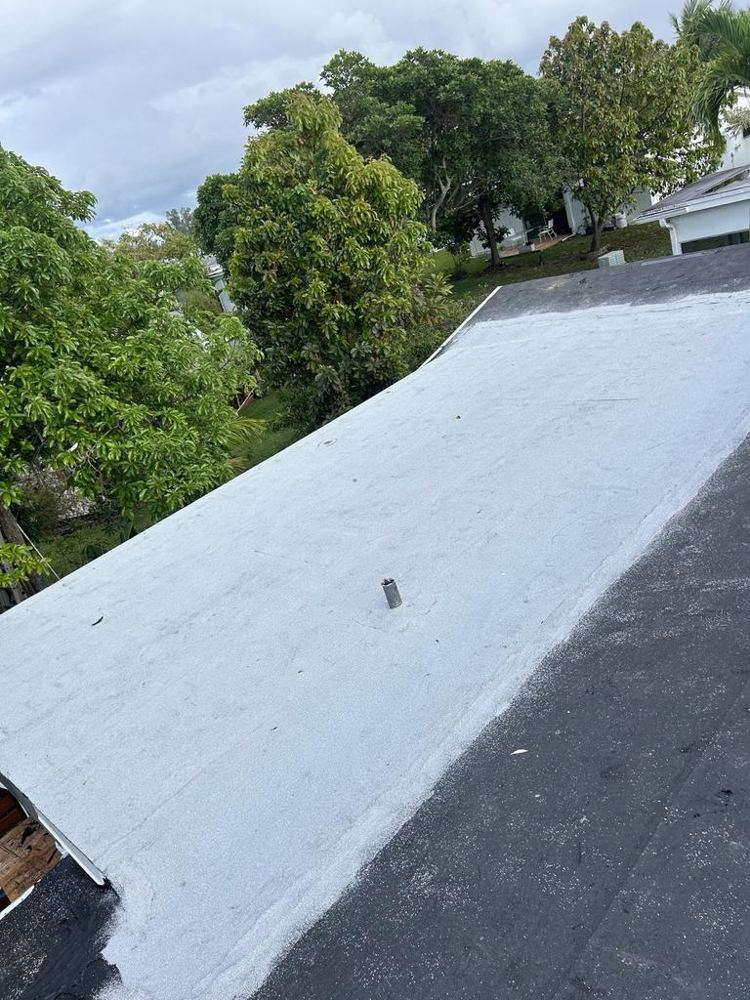
| Flat — torch-down | Tear off → Polyglass ElastoBase V base sheet, mechanically fastened → ElastoFlex SA V self-adhered middle layer → Polyflex G FR cap sheet, torch-applied | Standard Florida flat roof |
| Flat — tapered | GAF tapered insulation boards under the same torch-down system. The boards are thicker on one side so water runs to the drains | Flat roofs that hold water (ponding). We sell a lot of these |
| Flat — TPO | 60 mil white GAF TPO, seams heat-welded, usually over tapered insulation | White, reflective, cooler roof |
PA / NJ systems
| System | Layers, bottom to top | Best for |
|---|---|---|
| Shingle | Tear off → drip edge → GAF WeatherWatch ice & water barrier on eaves, rakes, valleys and around penetrations → GAF FeltBuster synthetic underlayment on the rest → GAF Pro-Start starter → GAF Timberline HDZ → GAF Seal-A-Ridge ridge cap → GAF Snow Country ridge vent | Most of what we sell. Full GAF system = Golden Pledge eligible |
| Flat — EPDM | Tear off to plywood → ½" Structodek fiberboard, screwed with plates → Mule-Hide .060 black EPDM rubber, glued, seams taped | Proven rubber roof |
| Flat — self-adhered | Tear off → Mule-Hide SA base sheet → Mule-Hide SA SBS cap sheet → drip edge. No torch, no flame | Clean, fast, flame-free |
| Flat — TPO | 60 mil GAF TPO over cover board, seams heat-welded | White, reflective |
We do not sell torch-down in PA / NJ.
Why we sell tapered insulation: standing water
Our regular flat roof is three layers — ElastoBase V, ElastoFlex SA V and the Polyflex G FR cap — laid directly on the plywood. The membrane follows the deck exactly, and old flat decks are never perfectly flat: they sag between joists and around drains. Every low spot becomes a puddle that sits after it rains. That's called ponding.
Sun and heat cook the membrane under the puddle so it ages faster. Granules wash off. Seams and laps sit underwater day after day. Dirt and algae build up, mosquitoes breed, and the extra weight pushes the deck down further, so the puddle grows. Ponding is the number-one reason flat roofs leak early.
Polyglass's warranty excludes damage from lack of proper drainage, and its guidelines say no water should still be on the roof 48 hours after rain. Polyglass's own spec recommends a minimum slope of ¼" per foot. A three-layer roof laid flat on an old deck can't promise that.
GAF tapered boards are cut thicker on one end and thinner on the other. Laid under the membrane, they build a gentle slope so water runs to the drains, scuppers or gutter instead of sitting. Bonus: it's insulation, so the rooms under the flat roof stay cooler.
Look for water stains, rings of dirt or a dried "bathtub ring" on the roof, sagging areas, water still sitting a day or two after rain, and moss or algae. Take photos — they sell the tapered system for you.
"See these dirt rings? That's where water sits after it rains. A regular flat roof follows your plywood, so it will keep holding water in the same spots — and standing water is the number-one thing that kills a flat roof. Even the manufacturers won't cover damage from it. Tapered insulation builds a slope under the new roof so the water runs off instead of sitting. It costs more up front, but it's the difference between a flat roof that lasts and one that leaks early — and it keeps those rooms cooler."
Metal: 1-inch nail-strip snap lock vs. 1.5-inch mechanical seam
Both are 24-gauge Galvalume standing seam from Metal Alliance and look almost the same from the street. The difference is how each panel is held down and how the seams are closed — and that decides how much wind the roof can take.
| 1" nail-strip snap lock (standard) | 1.5" mechanical seam (premium) | |
|---|---|---|
| How it's held down | Screws go through a strip (flange) along the edge of each panel, straight into the deck | Hidden metal clips are screwed to the deck; the panels lock onto the clips |
| How the seam closes | The next panel snaps over the screw strip by hand | The crew runs a seaming machine along every seam, folding the metal over (90° or a full 180° double fold) |
| Seam height | About 1 inch | About 1.5 inches |
| Wind (uplift) | Good — meets Florida code on most homes | Higher uplift ratings. Metal Alliance's 24-gauge 1.5" mechanical seam is rated up to about 189 psf with clips at 8" and a 180° seam (Florida Product Approval) |
| Heat movement | Fastened tight through the panel, so there's less room for the metal to move | Clips generally let the panels move a little as the metal heats and cools |
| Price | Lower | A bit more — more parts, a machine and more labor |
| Best for | Most homes; best value in metal | Homeowners who want the strongest metal roof: high-wind exposure, waterfront, larger or taller homes |
"Both options are 24-gauge standing seam. On the standard one, each panel is screwed down along one edge and the next panel snaps over it. On the mechanical seam, the panels sit on hidden clips and we run a machine down every seam that folds the metal closed. That folded seam holds much more wind uplift. It costs a little more, but it's the strongest metal roof we install."
Shingle, tile, metal, flat — how to compare them
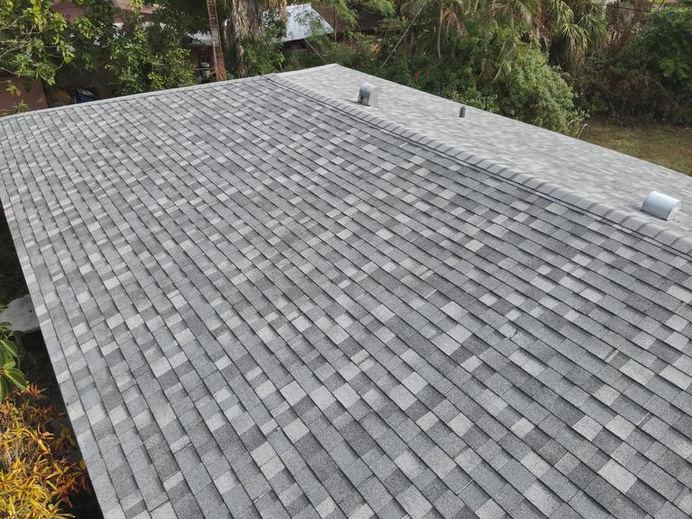 Shingle
Lowest price, fastest install, the full GAF warranty program. Timberline HDZ is GAF's best-selling architectural (3-dimensional) shingle.
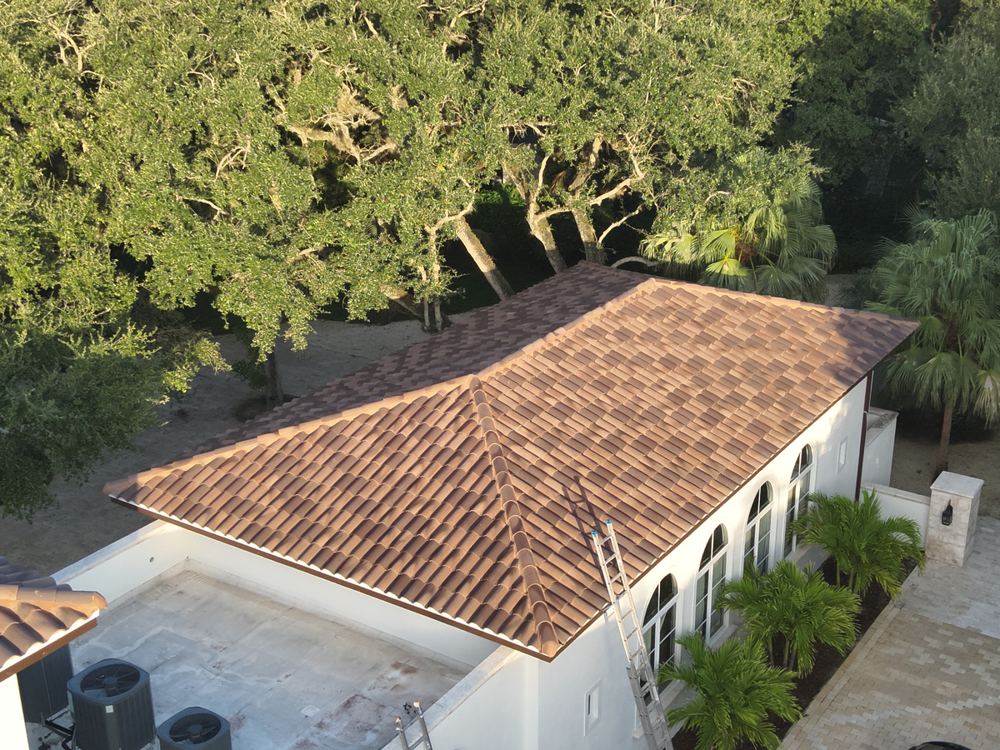 Tile
Concrete tile lasts for decades and the tile itself carries a lifetime product warranty. Costs more and weighs a lot. Hurricane and color damage are not covered by the tile warranty.
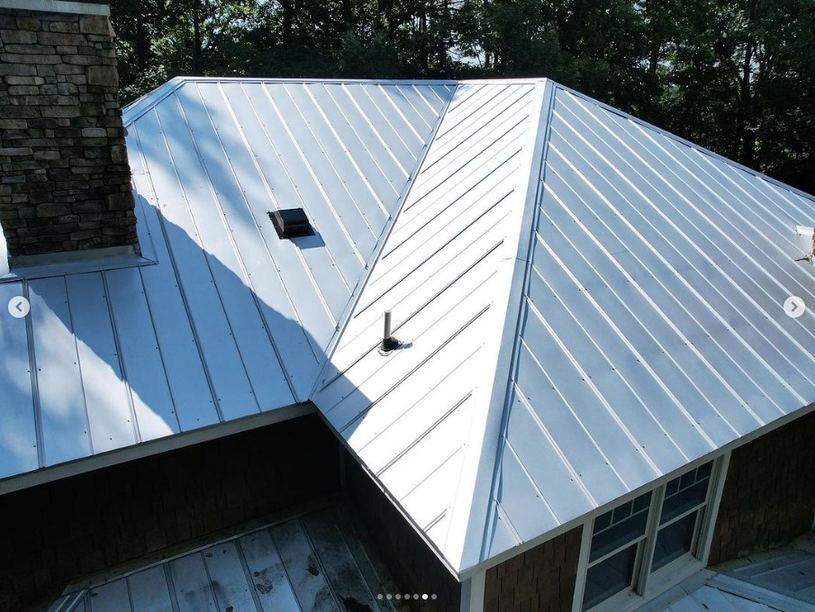 Metal
Standing seam has hidden fasteners and raised seams — nothing exposed to leak. Long life, clean look, higher price.
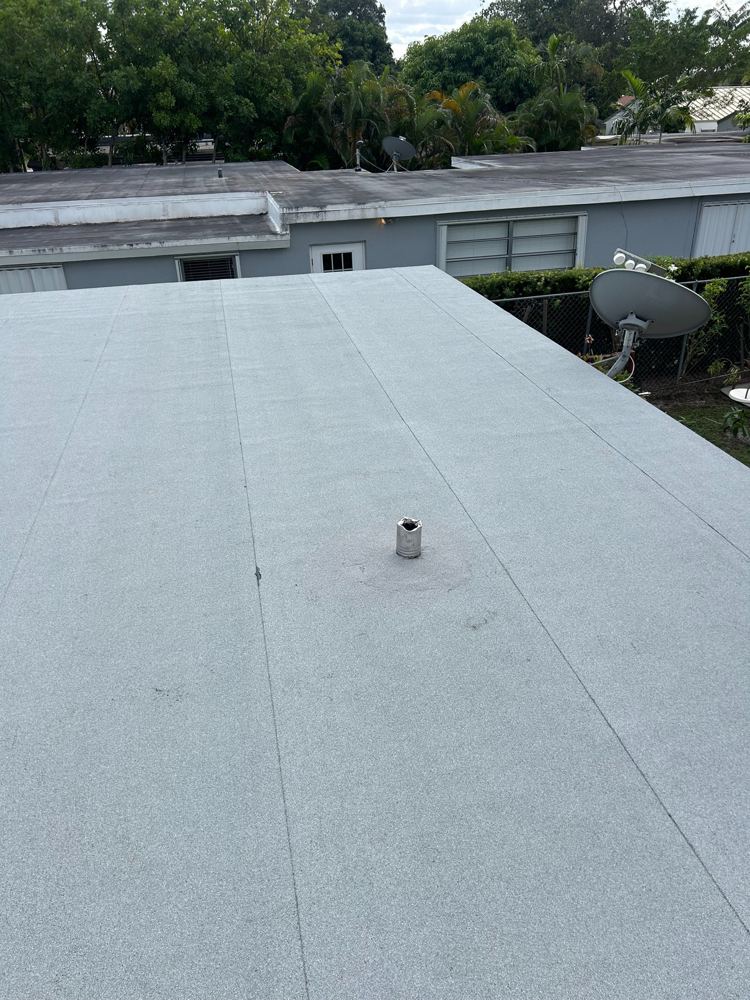 Flat
Flat roofs need a membrane, not shingles — shingles leak when water sits. If water ponds, tapered insulation creates slope.
"Every layer on your roof is one manufacturer's system — GAF from the peel-and-stick to the ridge. That matters, because GAF only backs the whole roof with its top warranty when every piece is theirs and a Master Elite contractor installs it."
"Up here the big enemy is ice. That's why we put GAF ice & water barrier along every edge and valley, and a filtered ridge vent so the attic doesn't sweat in winter. All of it is one GAF system, which is what unlocks the Golden Pledge warranty."
Code, permits and inspections
South Florida has the toughest roofing code in the country because of hurricanes. Knowing it is how you sound more expert than the other guy.
Our territory: Homestead to Port St. Lucie
Miami-Dade and Broward counties. The strictest part of the Florida Building Code. Every roofing product must have a Miami-Dade NOA (Notice of Acceptance) — a product approval proving it passed hurricane testing.
Palm Beach, Martin and St. Lucie counties. Still high-wind code, using Florida Product Approvals. We install the same system everywhere.
What code means on a Maze job
- The deck is re-nailed with 8d × 2½" ring-shank nails every 6".
- Damaged wood must be replaced — plywood, fascia, framing. The inspector will fail the job if it isn't. This is where change orders come from (chapter 6).
- Every product we use carries the right approval.
Pennsylvania and New Jersey build to codes based on the International Residential Code, enforced by each township. Ice and snow drive the rules.
- Ice dams: snow melts, refreezes at the cold eave, and water backs up under shingles. That's why WeatherWatch goes on eaves, rakes and valleys.
- Ventilation: a filtered ridge vent with soffit intake keeps the attic dry in winter.
- Damaged wood must be replaced once the roof is open — plywood, fascia, framing.
- Permits and inspections are handled by the local township; requirements and timing vary town to town.
Permits and HOA — we handle it
- HOA approval if the community has one. We prepare and submit it.
- City permit. We pull it for the homeowner. It usually takes 1–5 weeks. This is the most common "why haven't you started?" question — set the expectation at signing.
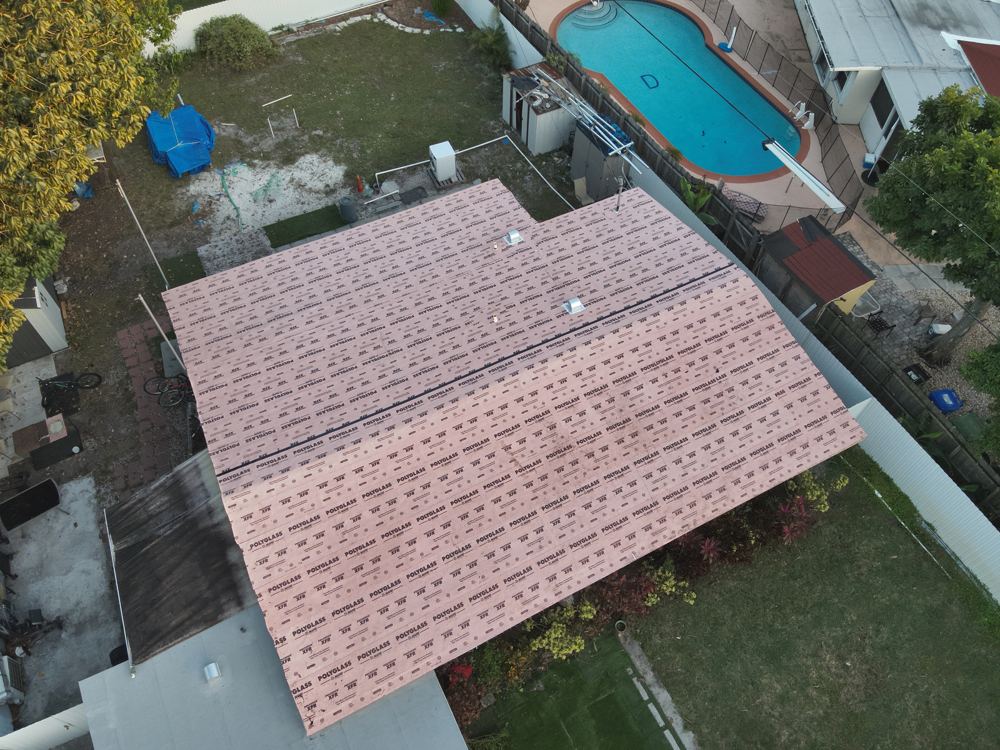
- In-progress inspection after the underlayment is on (the "dry-in"). The city checks the deck nailing and underlayment before it gets covered.
- Final inspection when the roof is done.
"Once you sign, we take care of the HOA and the permit — you don't go to the city. The permit usually takes one to five weeks. The city inspects twice: once in the middle, before the waterproofing is covered, and once at the end. We don't move forward until each one passes."
How a roof replacement runs, start to finish
Homeowners get nervous when they don't know what happens next. Walk them through this and most of their worries disappear.
- Contract signed. Deposit collected (cash jobs) or financing approved.
- HOA approval if needed — we handle it.
- Permit — we pull it (1–5 weeks).
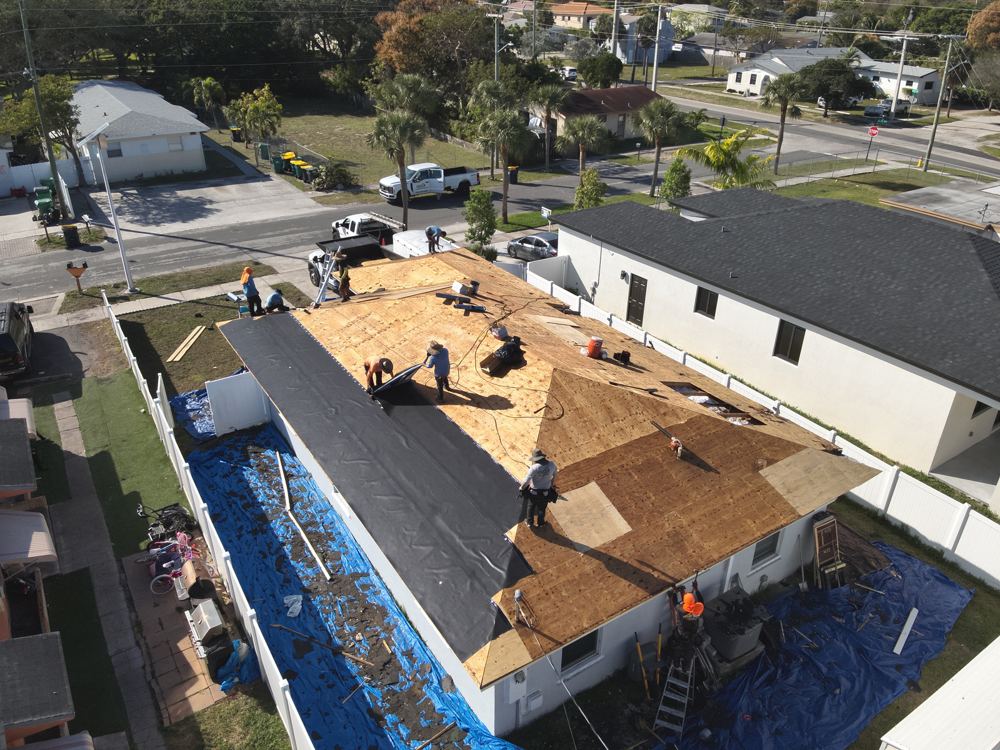
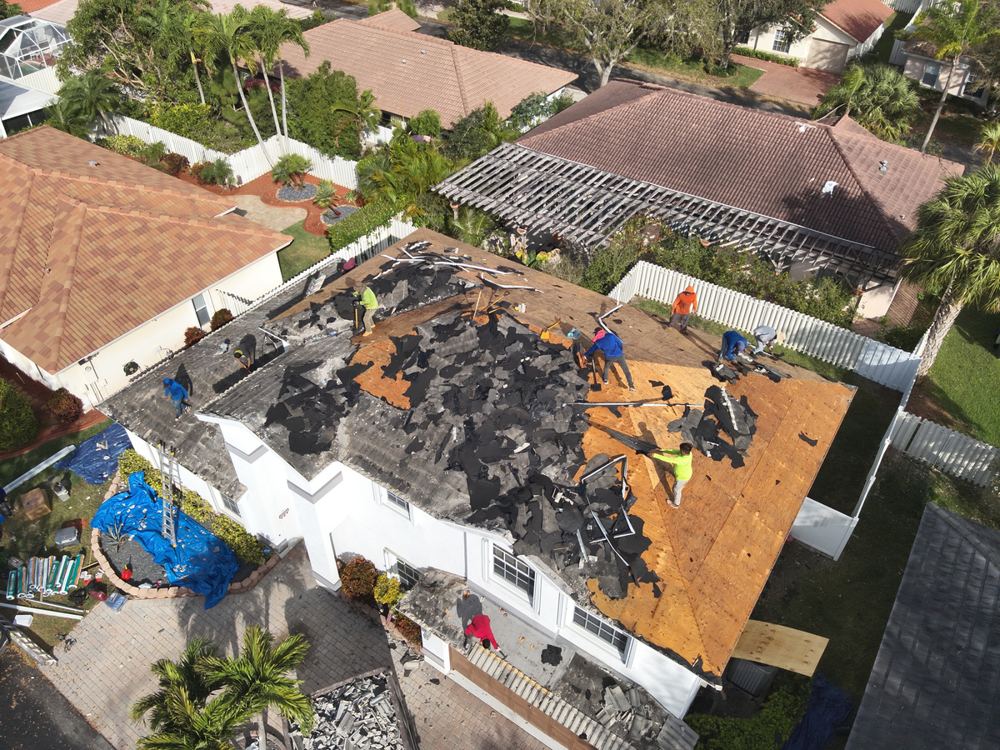
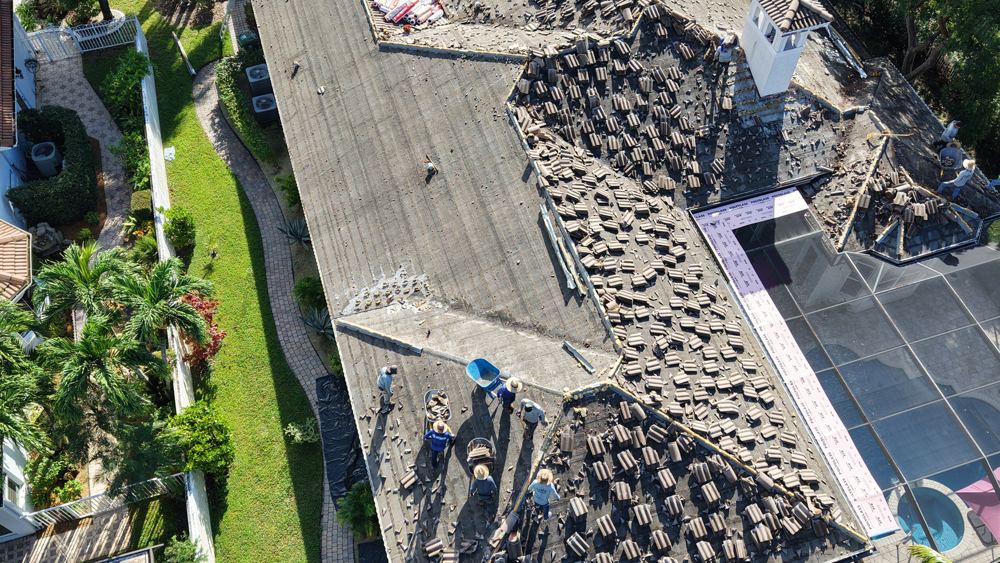
- Tear-off. The old roof comes off down to the plywood. The yard is protected and cleaned daily.
- Deck prep. Damaged wood is replaced and the deck is re-nailed. Any extra wood becomes a change order the same day.
- Underlayment (dry-in). The house is now waterproof even before the final layer.
- In-progress inspection by the city.
- Final roof layer — shingle, tile, metal or flat membrane, plus vents, flashing and ridge.
- Final inspection and cleanup. Job is done.
How the homeowner pays
| At signing | $500 deposit |
| Permit issued / scheduled | 50% of contract + permit fees (if they pay them), minus the $500 |
| In-progress inspection passed | 30% + any change orders |
| Final inspection, job done | Remaining 20% |
GoodLeap, Ygreen, Service Finance or Alito. The bank pays the full amount when the job is done. Permit fees and change orders are usually added to the loan.
Maze does retail work only — the homeowner pays us. We do not do insurance claims.
"You pay as the work gets done — never all up front. $500 today, half when the permit is issued, 30% once the city passes the mid-job inspection, and the last 20% after the final inspection."
Warranties — the GAF Golden Pledge
The warranty is one of the first things a homeowner asks about, and the Golden Pledge is the strongest shingle warranty GAF makes. You must be able to explain it simply.
What is it?
The Golden Pledge is GAF's top warranty on a shingle roof. GAF — the biggest roofing manufacturer in North America — stands behind the whole roof system: the shingles and every GAF part under them, and the way the roof was installed. If something goes wrong, GAF pays for it, not just the contractor.
"Non-prorated" in plain English
Prorated means the warranty is worth less every year — like a car that loses value. In year 20 you might only get a fraction of the cost back. Non-prorated means full value the whole time: in year 1 or year 49, GAF pays the full cost of the fix.
Material vs. workmanship — what's the difference?
Covers a problem with the product itself — a shingle or GAF part that was made wrong at the factory. Covers new materials, the labor to install them, and tear-off and disposal if needed.
Covers a mistake by the installer — something put on wrong (GAF calls it "misapplication"). Most warranties don't cover installation at all; this one does, backed by GAF, for 25 years.
Example: a batch of shingles is defective → material coverage. A shingle was nailed in the wrong place and blew off → workmanship coverage.
Who can offer it: Master Elite only
Only a GAF Master Elite contractor can register a Golden Pledge. GAF gives that status to fewer than 2% of roofing contractors, based on licensing, insurance, reputation and training. Most roofers the homeowner talks to cannot offer this warranty.
What the job needs to qualify
- Full tear-off to the deck — no roof-over, no partial roof.
- Every part is GAF: Timberline shingles, roof deck protection, leak barrier, starter strip, ridge cap, and GAF attic ventilation in a balanced system (intake + exhaust).
- New metal flashing and drip edge at the eaves.
- Maze registers and pays for it within 30 days of install.
Other things the homeowner gets
- Lifetime term while they own the home; it can be transferred once to the next owner at no cost.
- 15-year wind coverage on the shingles.
- Plus Maze's own 7-year workmanship warranty.
"Most roof warranties only cover the shingles, and they lose value every year. Ours is the GAF Golden Pledge. For 50 years, if any GAF product is defective, GAF pays the full cost — materials and labor. And for 25 years, GAF also covers the installation itself, at full value. Only about 2% of roofers in the country are allowed to offer it, because GAF has to certify us as Master Elite. On top of that, Maze gives you our own 7-year workmanship warranty."
Warranties on our other systems
| System | Warranty | Watch out for |
|---|---|---|
| Eagle concrete tile | Transferable limited lifetime product warranty on the tile, plus 10 years of replacement cost (labor included) for factory defects | Covers the tile only. Hurricanes, hail and color are not covered. Must be registered within 18 months |
| Metal Alliance metal | Up to 50 years on the base metal and paint film, up to 40 on chalk and fade | Not transferable. Must be registered per job within 60 days |
| GAF TPO (single-family home) | Lifetime limited warranty on manufacturing defects, first 10 years non-prorated | Must be registered |
| Repairs | 1 year, on the repaired area only | Never promise a full-roof warranty on a repair |
Standing water: what every flat roof warranty says
A manufacturer's warranty is the best proof of why a flat roof needs slope. Polyglass's own 20-year labor and material warranty excludes damage from lack of proper drainage, and its care guidelines say no standing water should remain on the roof 48 hours after rain. In other words: even the manufacturer won't stand behind a flat roof that holds water.
That's the selling point for tapered insulation — see chapter 2.
Never promise more than the paper says. If a homeowner asks something you're not sure about, say you'll confirm it and get back to them.
Change orders and repairs
Nobody can see under an old roof until it's off. How you set this up at signing decides whether the change order feels fair or feels like a trick.
What becomes a change order
| Item | Unit price on our contracts |
|---|---|
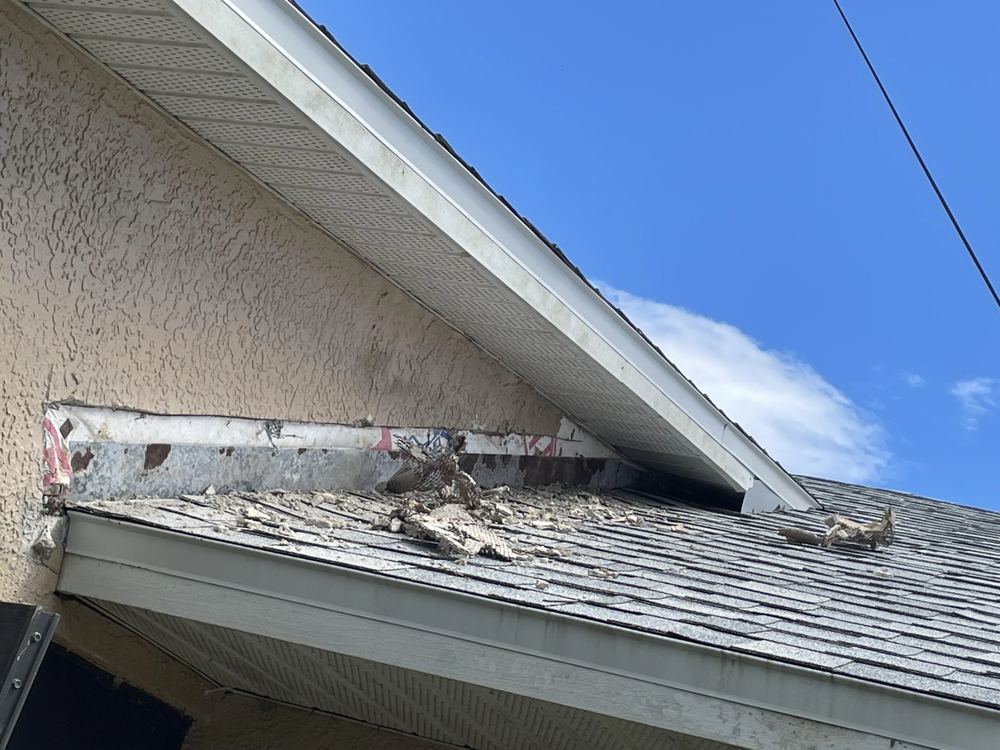
| Extra plywood (remove and replace) | $5.50 / sq ft |
| Extra fascia board | $9.50 / linear ft |
| Framing board | $14 / linear ft |
| Stucco at the wall-to-roof line, when it cracks during the job | Quoted per job |
How to explain and sell a change order
- At signing: explain that code requires us to replace any bad wood once the roof is open. We cannot leave it.
- Morning of the job: stay in touch with the homeowner. By about 10–11 AM you'll know how much wood needs replacing.
- Tell them right away. Calm, clear, caring — not scary. Send photos.
- By early afternoon send the change order to sign and update the payment plan (cash: it's paid with the 30% payment; finance: usually added to the loan).
Repairs
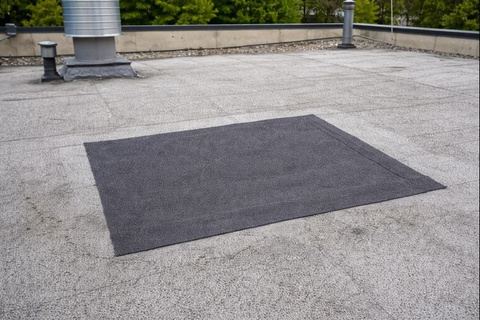
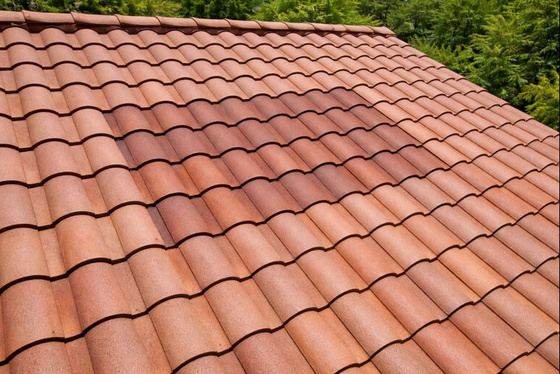
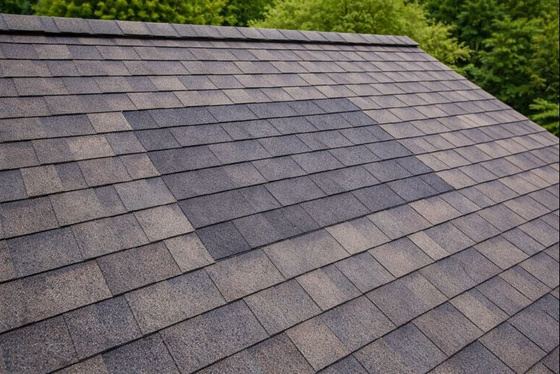
Leaks are hard to pinpoint — water travels under the roof and shows up far from where it gets in. So we repair the whole area around the leak, not one spot. The repair warranty is 1 year, on the repaired area only.
Repair types: flat area, tile area, shingle area, broken tile, flashing, valley, silicone roof coating on flat roofs, emergency blue tarp.
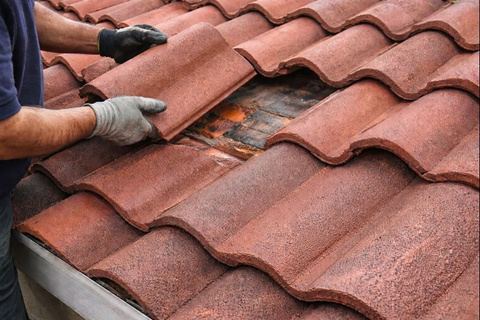
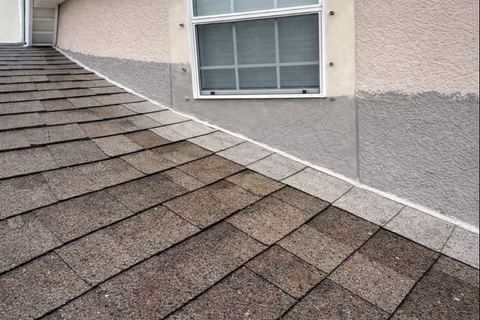
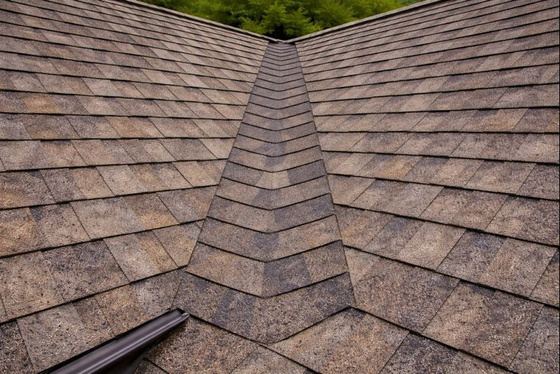
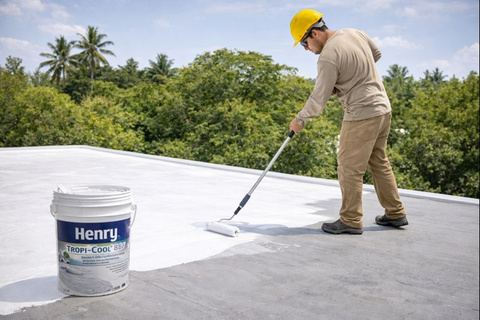
"Nobody can see the plywood until the old roof is off. If we find rotten wood, the code says we have to replace it — we can't cover it up. If that happens, I'll call you that morning with photos and the exact price before we do anything."
Add-ons: upsell, downsell, cross-sell
A roof job opens the door to the rest of the outside of the house. Offer what actually helps the home.
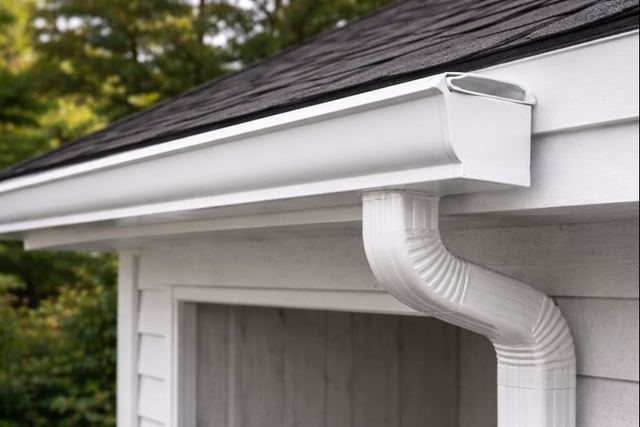 Gutters
New 6-inch seamless aluminum (7-inch for big roofs). Leaf guards available.
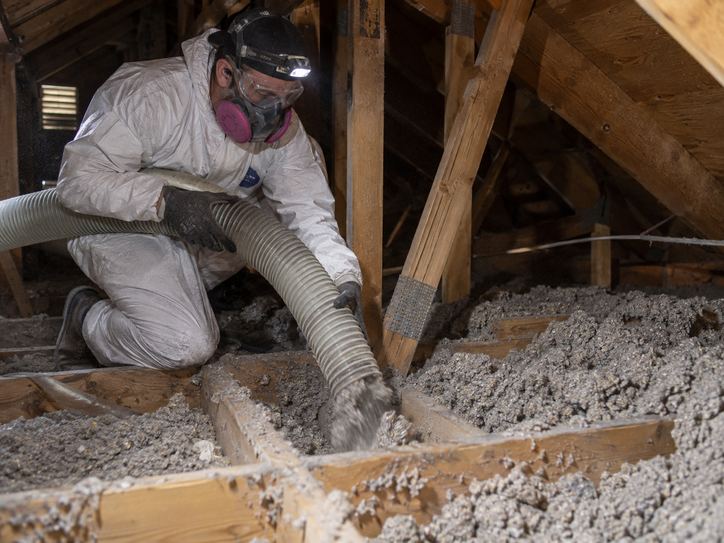
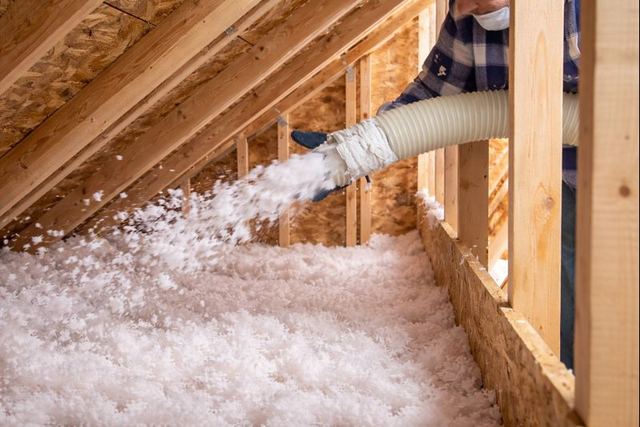 Attic insulation
Remove old insulation and blow in new R30. Pairs naturally with new ventilation.
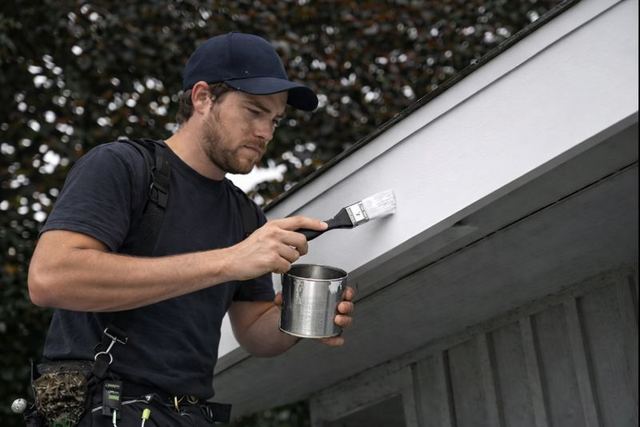
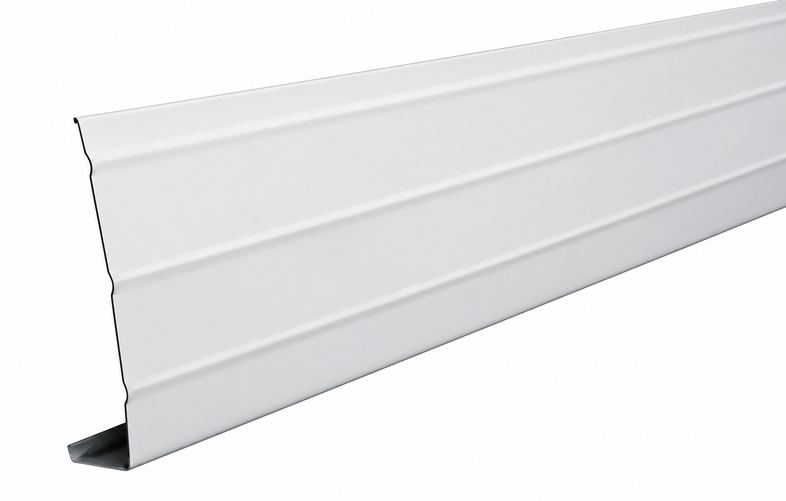 Fascia & soffit
Fascia painting, aluminum fascia covers, plywood or vinyl soffit.
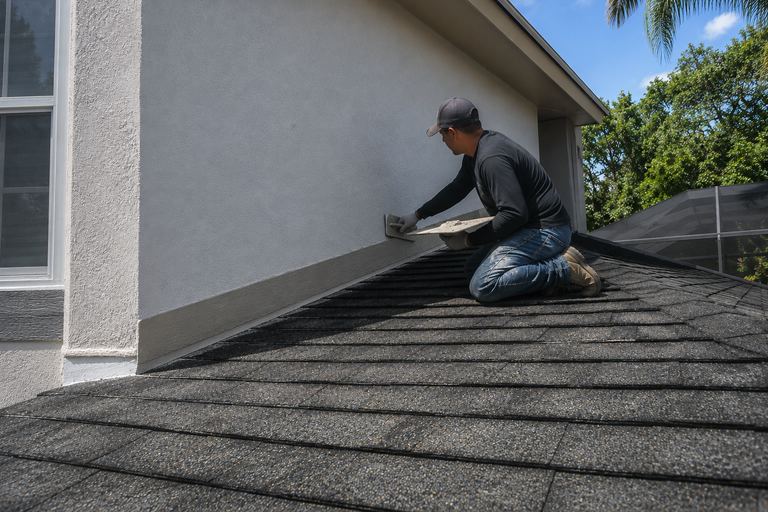 Stucco & drywall
Stucco repair and painting at the roof line, interior drywall repair after old leaks.
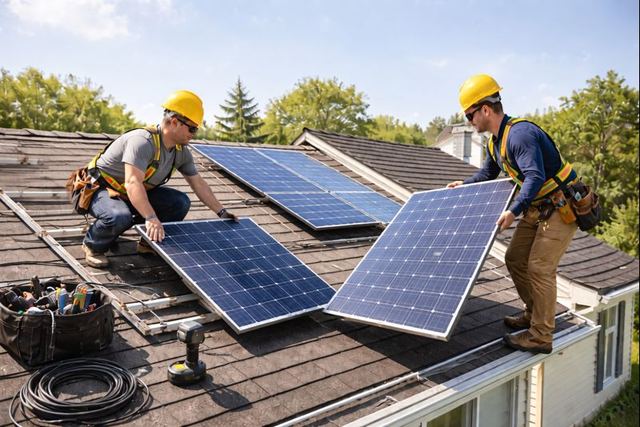 Solar
Remove and reinstall existing solar panels so the roof under them gets replaced.
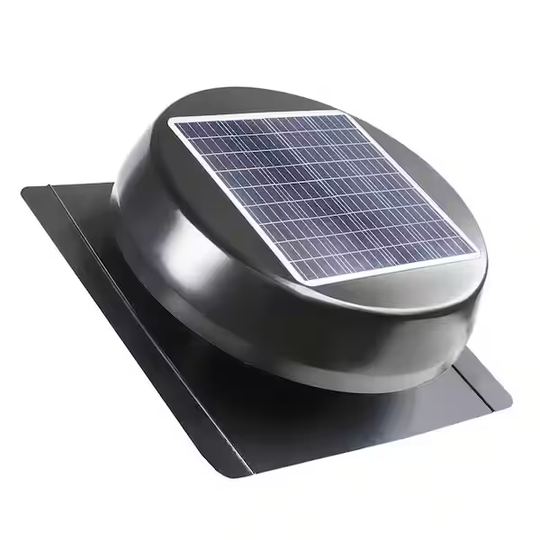 Skylights, straps & fans
Skylight replacement, hurricane strap installation, solar attic fans.
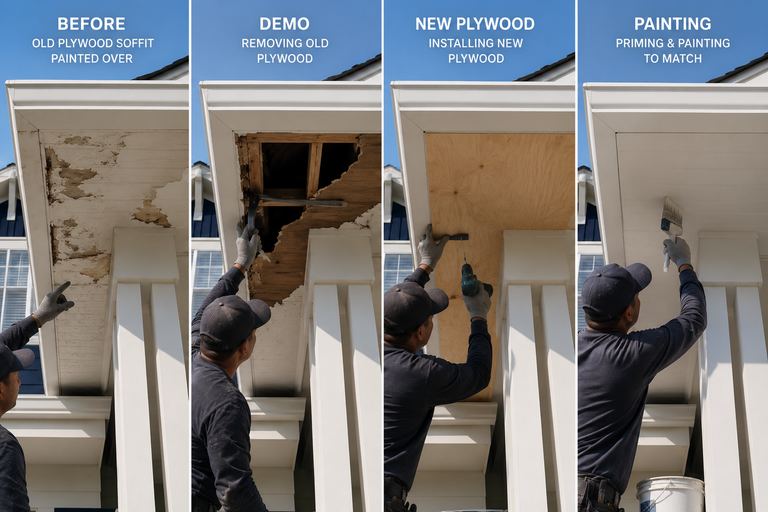
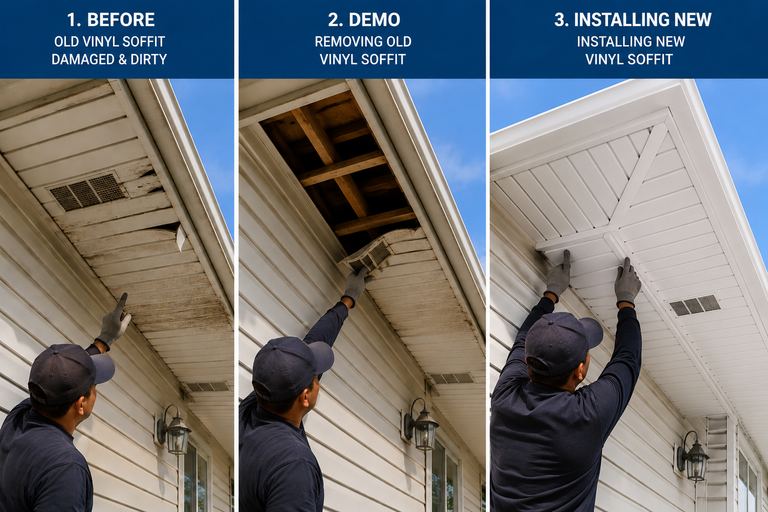
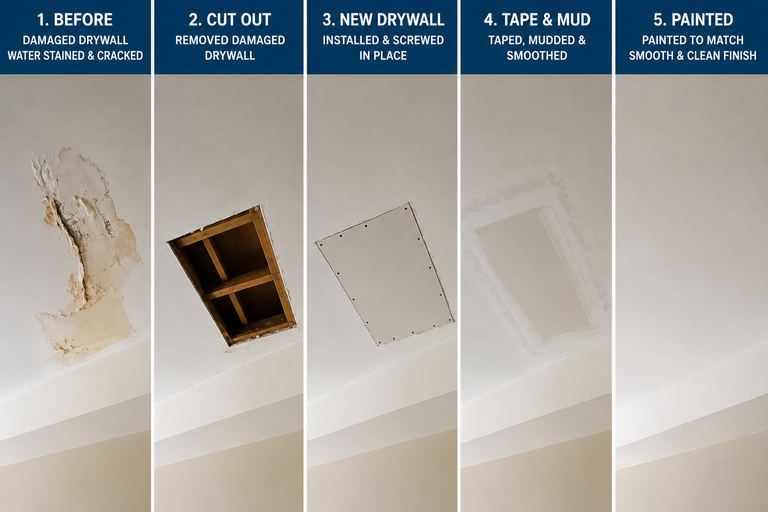
Upsell vs. downsell vs. cross-sell
- Upsell: a better system for the same need — e.g. tapered insulation on a flat roof that ponds.
- Downsell: when the budget is the problem, offer a smaller scope that still solves it — never one that cuts what code requires.
- Cross-sell: something related — gutters, insulation, fascia.
"While the roof is open is the cheapest time to fix the things around it. Your gutters are pulling off the fascia, and the attic insulation is thin. I can include both now so you're not paying for a second crew later."
30 questions from every chapter
You need 85% (26 of 30). It unlocks when all 7 chapter tests are passed. Your questions stay the same until you submit. If you don't pass, review the topics you missed and try again the next day.
Team
Everyone on the portal: training progress, unlocks, mock appointments and certification. Reps only see their own page.
Add a person
Videos for each section
Paste a YouTube or Google Drive link for each section. Reps see a "Watch" button. Best results: 2–4 minute clips filmed on our own jobs.